
MN-08 House Election Winner
Pete Stauber (R)
Order Book
Pete Stauber (R)
Resolution Criteria
This market will resolve according to the party of the candidate who wins the MN-08 congressional district seat in the U.S. House of Representatives in the 2026 midterm elections. The midterm elections will take place on November 3, 2026. A candidate's party will be determined by their ballot-listed or otherwise identifiable affiliation with that party at the time all of the 2026 House elections are conclusively called by this market's resolution sources. A candidate without a ballot-listed affiliation to either the Democrat or Republican parties will be considered a member of one of these parties based on the party with which they most recently expressed their intent to caucus at the time all of the House elections are conclusively called by this market's resolution sources. This market will resolve based on the result of the election as indicated by a consensus of credible reporting. If there is ambiguity, this market will resolve based solely on the official results as reported by the United States government, specifically the Federal Election Commission (https://www.fec.gov/).
The Republican Party is the heaviest-backed outcome to win the MN-08 congressional district seat in the 2026 midterm elections, with Democratic Party prospects drawing considerably less market support. Trading is heavily concentrated on a Republican victory, making this a strongly skewed contest rather than a competitive two-horse race. Resolution is based on the official 2026 midterm result, with the Federal Election Commission serving as the authoritative source.
Market structure
The market offers eight outcomes but volume is overwhelmingly concentrated on the Republican Party, with the Democratic Party a distant second. All other outcomes attract negligible support. Resolution requires identifying the winning candidate's party affiliation as listed on the ballot, or their most recently expressed caucus intent if unaffiliated. The Federal Election Commission serves as the definitive resolution source, with credible reporting consensus used in the first instance. The election takes place on 4 November 2026.
Background
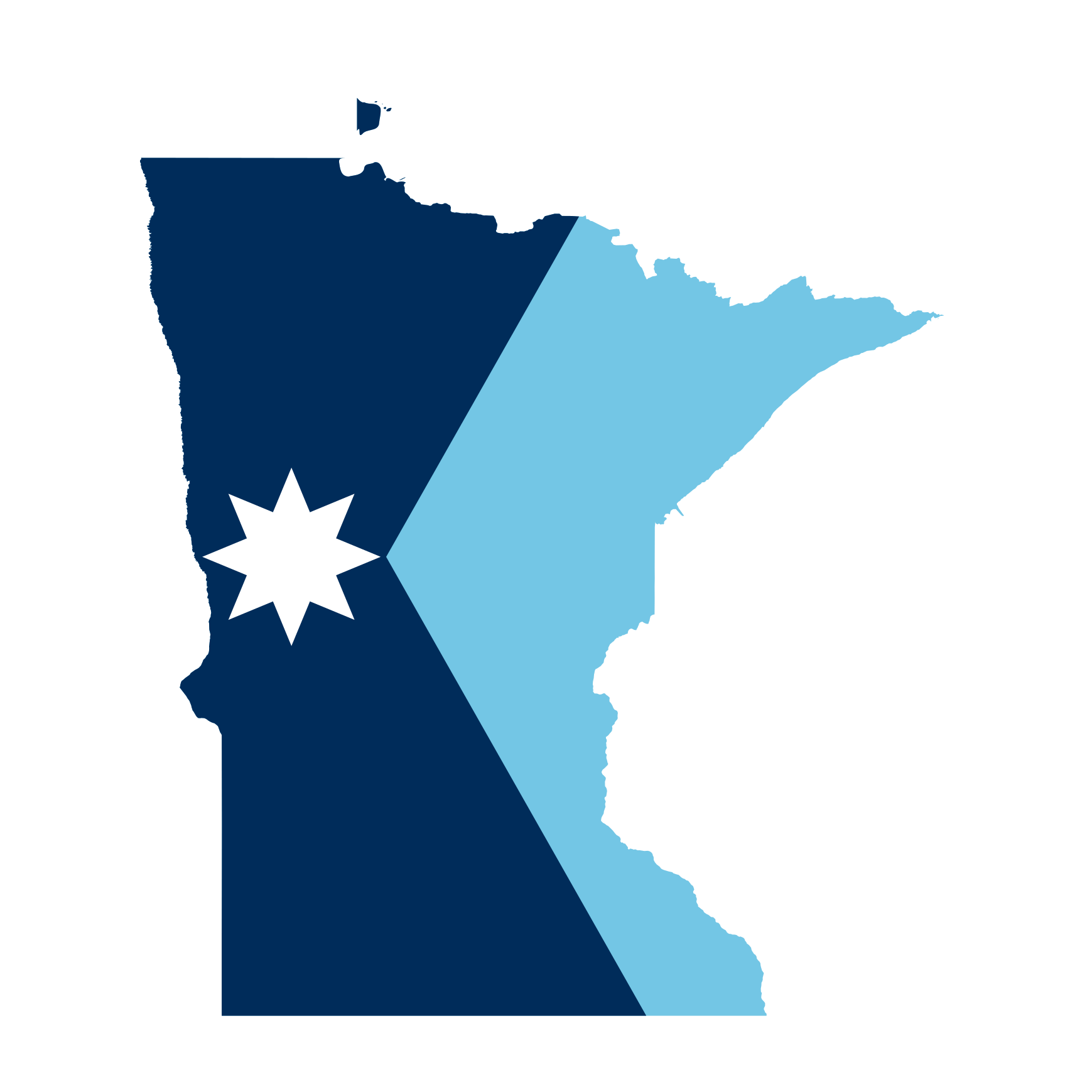
Minnesota's 8th congressional district covers the northeastern corner of the state, encompassing the Iron Range, Duluth, and a vast stretch of rural and lake-country terrain. Historically a Democratic stronghold rooted in labour and mining culture, the district has undergone a significant political realignment over the past decade. Working-class white voters in Iron Range communities shifted markedly toward the Republican Party through the 2016–2024 election cycles, mirroring national trends in post-industrial regions. The seat was held by Democrats for decades but has become increasingly competitive, with Republican candidates posting strong performances in recent cycles. The 2026 contest will be shaped by candidate recruitment, national political conditions, and whether historical Democratic coalitions in the region can be rebuilt or whether realignment has become durable.
Key factors
Several structural factors will influence the MN-08 result. The district's demographic composition — heavily rural, with a significant proportion of union-affiliated workers in extraction and manufacturing — creates crosscutting pressures for both parties. Candidate quality and name recognition on both sides will matter considerably in a district where personal vote is historically significant. National political environment and presidential approval ratings typically affect House midterm outcomes, and the direction of that effect in 2026 will depend on conditions closer to the election. Local economic conditions, particularly those affecting mining, timber, and related industries, carry outsized importance in this district. Redistricting history and any boundary changes ahead of 2026 could alter the electorate's composition. Turnout dynamics — particularly whether rural Republican enthusiasm or urban and Iron Range Democratic base mobilisation proves stronger — represent the central contest-within-a-contest. Third-party or independent candidacies, while unlikely to win, could affect vote-share margins in a close race.
FAQ
How is the MN-08 House Election Winner market resolved?
The market resolves based on the party of the winning candidate in the MN-08 2026 congressional race, as determined by ballot-listed affiliation or most recently expressed caucus intent. A consensus of credible reporting is used first; if ambiguity remains, the Federal Election Commission's official results are definitive.
When does the MN-08 2026 House election market resolve?
The midterm election takes place on 4 November 2026. Resolution follows once all 2026 House elections are conclusively called by the market's resolution sources. The formal resolution deadline is set just before election day, meaning resolution is expected shortly after results are confirmed.
What happens if the MN-08 winner is an independent or third-party candidate?
A candidate without a Democratic or Republican ballot affiliation is assigned to whichever party they most recently expressed intent to caucus with, at the time all House elections are conclusively called. A candidate with no such expressed intent and no party affiliation would fall under the market's other outcome categories.
What does the MN-08 market currently show?
Market volume is heavily concentrated on a Republican Party victory, which is by far the heaviest-backed outcome. The Democratic Party draws considerably lower support. All remaining outcomes attract negligible trading activity, making this a strongly skewed market rather than a competitive race.
Paridesk is not a regulated financial advisor. The information above is for informational purposes only and does not constitute financial, investment, or trading advice. Prediction markets carry risk of total loss. Past patterns do not guarantee future outcomes.
Related Markets


Pete Stauber (R)
82%