
Strait of Hormuz traffic returns to normal by December 31?
Strait of Hormuz traffic returns to normal by December 31?
Order Book
Strait of Hormuz traffic returns to normal by December 31?
Resolution Criteria
This market will resolve to “Yes” if IMF Portwatch publishes a 7-day moving average of transit calls (“Arrivals of Ships”) for the Strait of Hormuz equal to or above 60 for any date between market creation and December 31, 2026. Otherwise, this market will resolve to “No”. Daily transit calls include container, dry bulk, roll-on/roll-off, general cargo, and tanker ships. Ships not reported by IMF Portwatch will not be considered. This market will resolve as soon as IMF Portwatch publishes a 7-day moving average of transit calls equal to or above the specified level, or once data has been published for the final date in the specified period and no such value has been published. If no data has been published for the final date of the specified period within 14 calendar days (ET) after the end of that period, this market will resolve based on data published up to that point. Revisions to previously published data points made within this market’s timeframe will be considered. However, they will not disqualify a previously published data point from qualifying. Revisions to previously published data points after data is published for December 31, 2026, however, will not be considered. In case of obvious data integrity issues (i.e., erroneous data), the market may remain open until the end of the third calendar day (ET) after the date on which such data is first released to allow for corrections. Data integrity issues refer only to clerical or other similar errors in the underlying data, and do not include cases where IMF Portwatch differs from alternative sources. The resolution source for this market will be IMF Portwatch, specifically the transit calls data published for the Strait of Hormuz at https://portwatch.imf.org/pages/cb5856222a5b4105adc6ee7e880a1730, both in the chart and through downloadable files.
Prediction markets currently show heavy backing for Strait of Hormuz shipping traffic returning to normal levels by the end of 2026, with the 'Yes' outcome the heaviest-backed position. Resolution depends on IMF Portwatch recording a 7-day moving average of transit calls at or above 60 for any date up to 31 December 2026. The market resolves as soon as that threshold is met, or once the full period has elapsed without it being reached.
Market structure
This is a binary yes/no market with volume heavily concentrated on the 'Yes' outcome. Resolution requires IMF Portwatch to publish a 7-day moving average of transit calls — covering container, dry bulk, roll-on/roll-off, general cargo, and tanker vessels — equal to or above 60 for any date before the deadline. The resolution source is the IMF Portwatch Strait of Hormuz data portal. The market closes 31 December 2026, with a 14-day grace period if final-date data is delayed.
Background
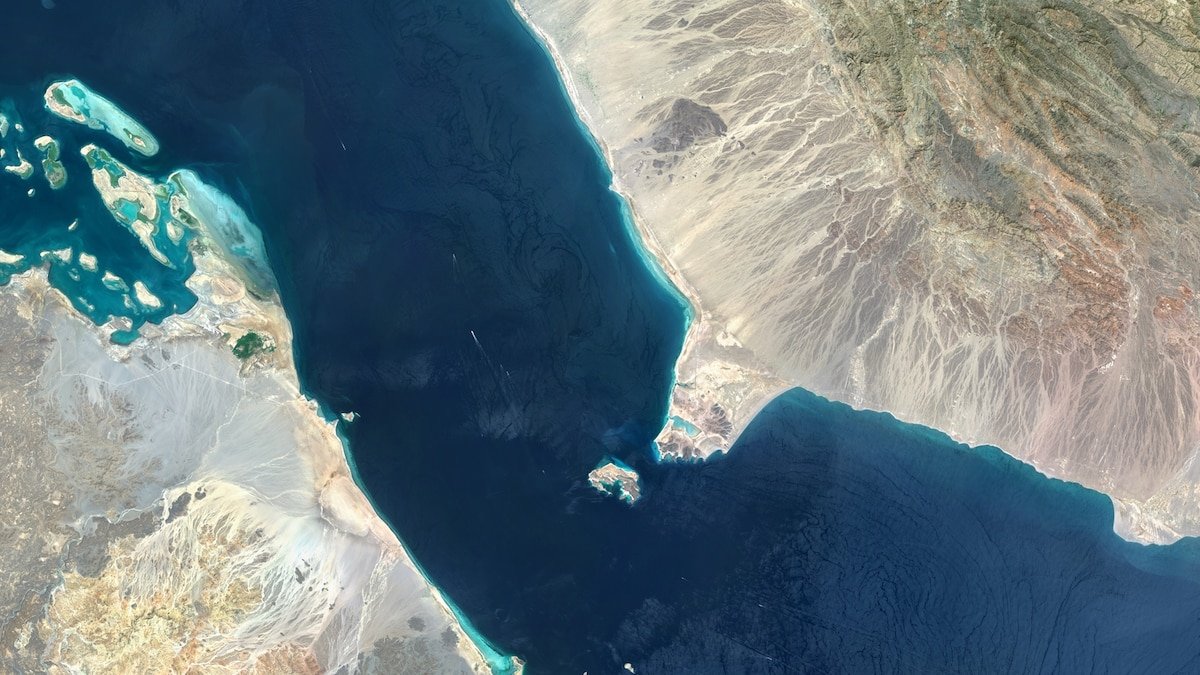
The Strait of Hormuz, the narrow waterway between Iran and Oman, is one of the world's most strategically critical chokepoints, through which a substantial share of global oil and liquefied natural gas exports transits. Disruptions to traffic — whether from regional conflict, military posturing, sanctions enforcement, or mine-laying threats — have historically sent energy markets into sharp movements. Tensions involving Iran, the United States, and Gulf states have periodically reduced traffic through the strait, and any sustained disruption carries significant consequences for global energy supply chains. The IMF Portwatch platform provides near-real-time shipping intelligence, making it the agreed reference source for this market's resolution.
Key factors
Several structural factors bear on whether the 60-call threshold is reached. First, the trajectory of Iran-related geopolitical tensions — including nuclear negotiations, sanctions regimes, and any direct military confrontations in the Gulf region — will determine whether commercial shipping operators reroute away from the strait or resume normal patterns. Second, insurance market conditions matter: if war-risk premiums remain elevated, operators may avoid the route regardless of the immediate security environment. Third, the composition of traffic is relevant, as the threshold covers five vessel categories; a recovery in tanker flows driven by oil market demand could push the average above 60 even if other segments remain suppressed. Fourth, IMF Portwatch's data publication cadence and any retrospective revisions to historical figures could affect resolution timing — the market explicitly allows revisions within the resolution window to count. Fifth, seasonal demand patterns in energy and bulk commodity shipping could influence call volumes in the second half of 2026.
FAQ
How is the Strait of Hormuz traffic market resolved?
The market resolves 'Yes' if IMF Portwatch publishes a 7-day moving average of transit calls for the Strait of Hormuz at or above 60 for any date within the resolution window. It resolves 'No' if the full period passes without that threshold being recorded. Only data published on the IMF Portwatch portal counts.
When does the Strait of Hormuz traffic market resolve?
The market resolves as soon as the 60-call threshold is met, or once data covering 31 December 2026 has been published. If IMF Portwatch has not published data for 31 December within 14 calendar days after that date, the market resolves on whatever data is available at that point.
What happens if IMF Portwatch revises its data after the market closes?
Revisions made before data for 31 December 2026 is published are considered and can contribute to resolution. However, revisions published after the final-date data appears will not be taken into account, even if they would otherwise affect whether the threshold was crossed.
What does the Strait of Hormuz traffic market currently show?
Volume is heavily concentrated on the 'Yes' outcome, indicating that the majority of market participants are positioned for traffic to return to the specified threshold before the end of 2026. There is no close two-way contest at present, though the market remains open to movement as geopolitical conditions evolve.
Paridesk is not a regulated financial advisor. The information above is for informational purposes only and does not constitute financial, investment, or trading advice. Prediction markets carry risk of total loss. Past patterns do not guarantee future outcomes.
Related Markets


Strait of Hormuz traffic returns to normal by December 31?
14%