Prime Minister of Israel after the next election?
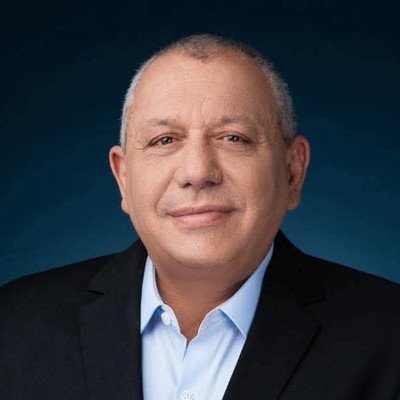
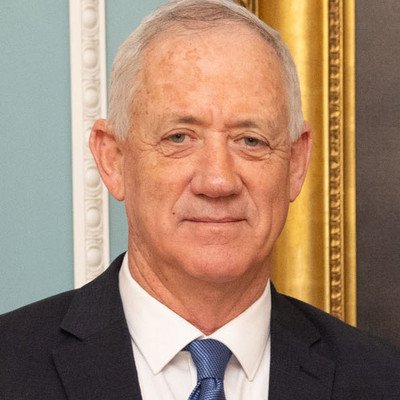
Gadi Eizenkot


Order Book
Gadi Eizenkot
Resolution Criteria
Legislative elections are schedule to be held in Israel on October 27, 2026. This market will resolve to the next individual who is officially appointed and sworn in as Prime Minister of Israel following the 2026 parliamentary election. If an election is called early, this market will immediately resolve to the individual who is officially appointed and sworn in after that election. To count for resolution, the individual must be formally sworn in. Any interim or caretaker Prime Minister will not count toward the resolution of this market. If no such Prime Minister is sworn in by December 31, 2027, 11:59 PM ET, this market will resolve to “Other”. The primary resolution source for this market will be official information from the Government of Israel; however, a consensus of credible reporting may also be used.
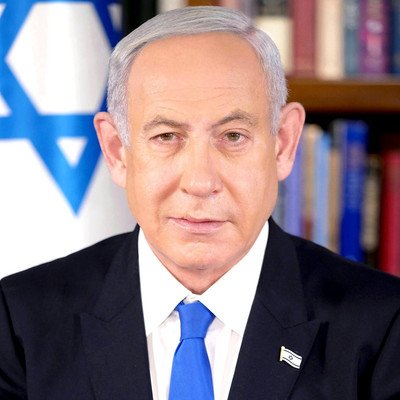
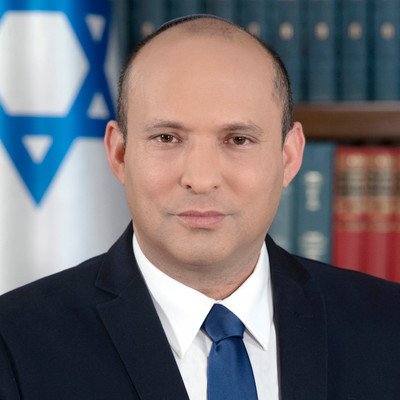
Prediction market trading on who will be Israel's next Prime Minister after the 2026 election shows volume heavily concentrated on two figures: Benjamin Netanyahu and Naftali Bennett, who are the joint heaviest-backed contenders, with Gadi Eizenkot attracting meaningful secondary support. The remaining 25 outcomes in a 28-way market are broadly distributed at low levels. Resolution requires a formal swearing-in following the election scheduled for 27 October 2026, with a fallback deadline of 31 December 2027.
Market structure
A 28-outcome market with volume concentrated sharply on two leading figures and a secondary cluster. The vast majority of named outcomes carry minimal backing. Resolution requires official appointment and swearing-in as Prime Minister following the next Israeli parliamentary election. The primary source of truth is the Government of Israel. If no qualifying Prime Minister is sworn in by 31 December 2027, the market resolves to 'Other'. Interim or caretaker Prime Ministers do not count.
Background
Israel operates a parliamentary system in which the Prime Minister is typically the leader of the largest coalition bloc able to command a Knesset majority. The next scheduled election is 27 October 2026, though Israeli coalition politics have historically produced early elections: the country held four elections in under four years between 2019 and 2022. The current political landscape is shaped by the ongoing conflict in Gaza, prolonged judicial-reform controversy, and shifting coalition alignments. Benjamin Netanyahu has led Likud governments for multiple terms and currently heads the governing coalition. Naftali Bennett previously served as Prime Minister from 2021 to 2022 before withdrawing from politics, and coverage has noted ongoing speculation about his potential return to public life.
Key factors
Several structural factors will shape who becomes Prime Minister after the 2026 election. First, coalition formation is decisive: Israel uses proportional representation, meaning no single party typically wins an outright majority, and the ability to assemble a governing coalition of at least 61 Knesset seats determines who is appointed Prime Minister. Second, the timing of the election matters — if the current coalition collapses before October 2026, an early election would trigger immediate resolution under the market's criteria. Third, individual decisions about candidacy and party leadership will affect the field: any named figure could choose not to stand, form a new party, or merge with another list. Fourth, public sentiment tied to security outcomes in Gaza and any post-war accountability processes could significantly shift electoral support. Fifth, legal proceedings involving sitting politicians may affect their eligibility or public standing before polling day. Finally, post-election negotiations can take weeks or months, meaning swearing-in may lag the election date.
FAQ
How is the 'Next Prime Minister of Israel' market resolved?
The market resolves to the individual formally appointed and sworn in as Prime Minister following the next Israeli parliamentary election. Interim or caretaker Prime Ministers are explicitly excluded. The primary source is official information from the Government of Israel, with credible press consensus as a secondary source.
When does the Next Prime Minister of Israel market resolve?
The scheduled election is 27 October 2026. Resolution follows whenever a qualifying Prime Minister is sworn in after that election, or after any earlier election if one is called. If no such swearing-in has occurred by 31 December 2027, the market resolves to 'Other'.
What happens if the Israeli election is held early or delayed?
If a snap election is called before October 2026, the market resolves immediately to whoever is sworn in following that earlier election. If the election is delayed and no qualifying Prime Minister is sworn in by 31 December 2027, the market resolves to 'Other' regardless of the cause.
What does the market currently show for Israel's next Prime Minister?
Trading is dominated by two figures — Benjamin Netanyahu and Naftali Bennett — who share the heaviest backing. Gadi Eizenkot attracts notable secondary support, followed by Avigdor Lieberman at a lower level. The remaining 24 named outcomes each carry very limited backing.
Paridesk is not a regulated financial advisor. The information above is for informational purposes only and does not constitute financial, investment, or trading advice. Prediction markets carry risk of total loss. Past patterns do not guarantee future outcomes.
Related Markets







Gadi Eizenkot
42%