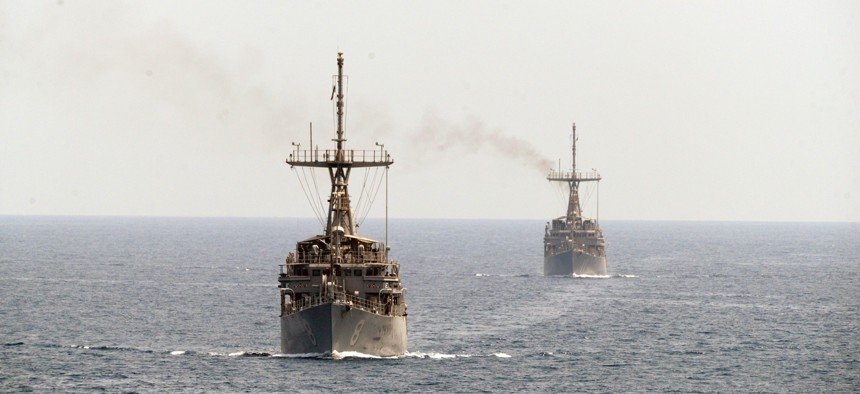
Which countries will send warships through the Strait of Hormuz by June 30?
United States
New here?
Understand this market
This market asks whether specific countries — the United States, UAE, and Qatar — will have their military ships physically sail through the narrowest chokepoint between Iran and Oman before June 30, 2026. Yes means a warship from that country passed through that specific narrow corridor. No means it didn't — or at least wasn't confirmed to have done so. It's not about ships being somewhere in the region; it's about crossing that particular bottleneck, one of the busiest and most strategically sensitive waterways on Earth.
Order Book
United States
Resolution Criteria
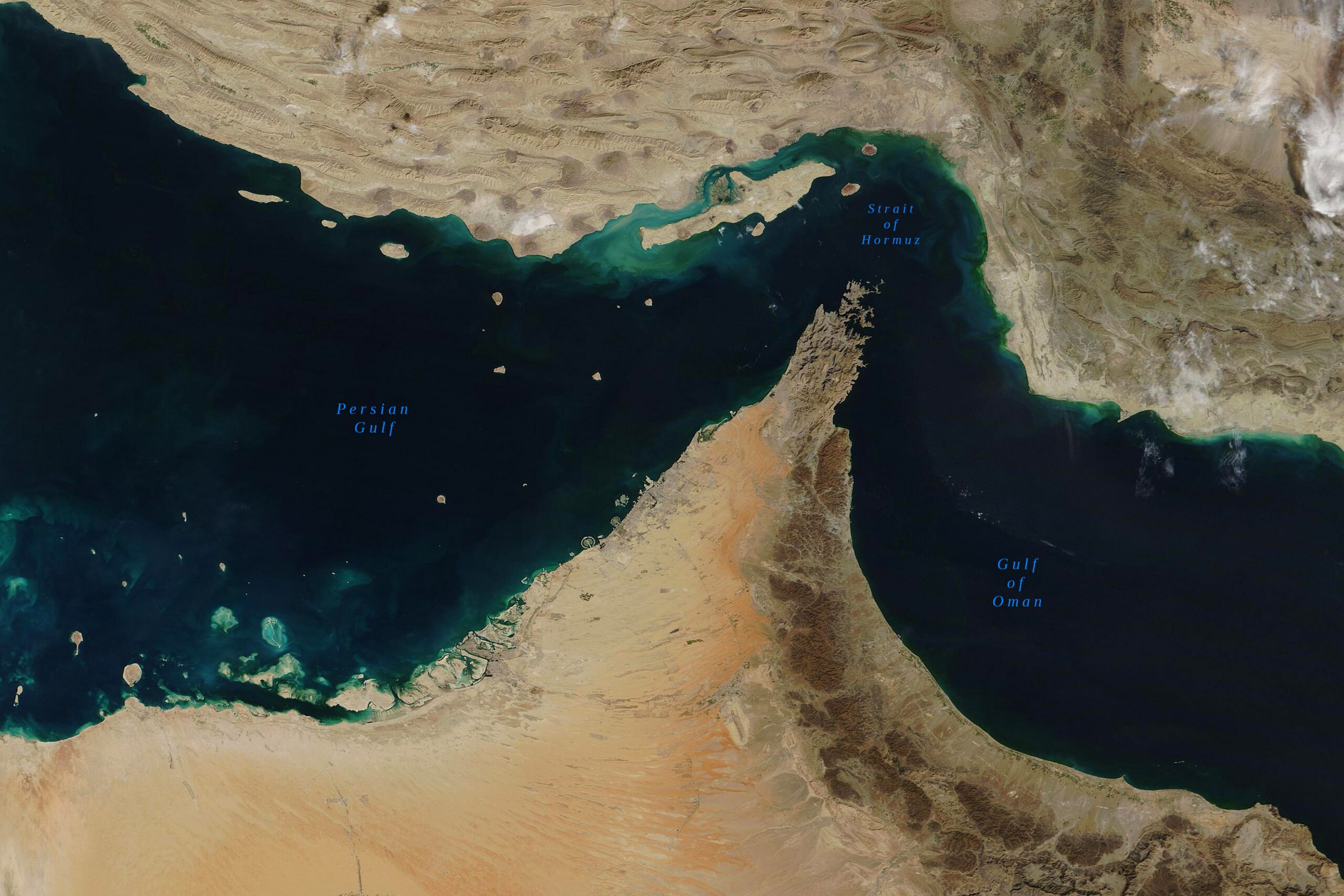
This market will resolve to "Yes" if a national government, its military, or a broad consensus of credible reporting confirms that the listed country's warships transited through the Strait of Hormuz between market creation and June 30, 2026, 11:59 PM ET. Otherwise, this market will resolve to “No”. A "warship transit" is defined as a military vessel passing through the Strait of Hormuz. Military cargo or support vessels will be considered “warships”; however, commercial or civilian vessels will not qualify. For the purposes of this market, only transits through the Strait of Hormuz will be considered, defined as passage through the narrowest portion of the waterway between Iran and Oman. Operations solely in the Persian Gulf, Gulf of Oman, or Arabian Sea without passage through this narrowest section will not qualify. Official confirmation by a national government or its military that its vessels transited through the Strait of Hormuz during the specified timeframe will resolve this market immediately. An overwhelming consensus of credible reporting confirming that such a transit occurred during the specified timeframe will also suffice. Qualifying confirmations include statements such as official announcements that a country has deployed naval vessels to transit or escort shipping through the Strait of Hormuz. Confirmations referring only to naval presence in the broader region, including the Persian Gulf, Gulf of Oman, or Arabian Sea, without confirmed transit through the Strait itself, as well as aerial operations, cyber operations, or actions by proxies or third parties, will not alone qualify. The primary resolution source for this market will be official information by the respective national governments or their militaries; however, an overwhelming consensus of credible reporting will also suffice.
Read the full market guide →The United States is the heaviest-backed country to send warships through the Strait of Hormuz by 30 June 2026, with Kuwait, Qatar, UAE, Oman, and France among the next most heavily backed outcomes in a broadly distributed market. The 19-outcome field reflects the strategic importance of the strait and the range of navies with standing operations or transit histories in the region. Resolution requires confirmed passage through the narrowest section of the waterway, not merely regional naval presence, by 30 June 2026.
Market structure
Nineteen countries are listed as separate yes/no outcomes. Volume is broadly distributed rather than concentrated, with the United States the single heaviest-backed outcome. A cluster of Gulf states and European nations sit in the middle of the distribution, while Canada, South Korea, and Australia carry the lightest backing. Resolution requires confirmed transit through the narrowest portion of the Strait of Hormuz — official government or military confirmation, or an overwhelming consensus of credible reporting — by 30 June 2026.
Background
The Strait of Hormuz, the narrow channel between Iran and Oman, is one of the world's most consequential maritime chokepoints, through which a significant share of global seaborne oil exports passes. Naval transits through the strait carry political weight: they signal freedom-of-navigation commitments, alliance posture, and responses to regional tension. The strait has been the site of recurring confrontations involving Iranian and Western naval forces, seizures of commercial vessels, and periodic Iranian threats to close the waterway. Several Western and Gulf navies have maintained recurring transit and escort operations through the strait in recent years, particularly in the context of the European-led Operation Aspides and the US-led Operation Prosperity Guardian, both launched to counter threats to commercial shipping in adjacent waters.
Key factors
For each country, resolution turns on whether a military vessel physically transits the narrowest section of the strait rather than operating elsewhere in the region. Countries with established rotational deployments — particularly Gulf states whose navies operate in and around the strait as a matter of routine — face a lower structural hurdle than countries whose naval presence in the region is expeditionary and infrequent. Political developments, including diplomatic negotiations over Iran's nuclear programme or regional ceasefire arrangements, could alter the calculus for Western navies choosing to make symbolic transits. Conversely, an escalation involving Iran could prompt transits by navies not currently represented in the region. The resolution standard distinguishes between confirmed strait passage and broader regional presence, meaning navies operating in the Persian Gulf or Gulf of Oman without documented passage through the narrowest section will not qualify. Official transparency varies significantly by country, and some transits may occur without public announcement, requiring reliance on credible media consensus.
FAQ
How is the Strait of Hormuz warship transit market resolved?
Each country resolves 'Yes' if its military vessels are confirmed to have transited the narrowest portion of the Strait of Hormuz by 30 June 2026. Confirmation can come from official government or military announcements, or from an overwhelming consensus of credible reporting. Regional naval presence alone does not qualify.
When does the Strait of Hormuz warship transit market resolve?
The resolution deadline is 30 June 2026 at 11:59 PM ET. Individual country outcomes can resolve earlier if official confirmation of a qualifying transit is published before that date. Outcomes without confirmed transits by the deadline resolve 'No'.
What if a country's warships operate in the Persian Gulf or Gulf of Oman but do not pass through the strait itself?
Operations solely in the Persian Gulf, Gulf of Oman, or Arabian Sea do not qualify. Only confirmed passage through the narrowest section of the waterway between Iran and Oman counts as a transit. Aerial operations, cyber operations, or actions by proxies also do not qualify.
What does the market currently show for Strait of Hormuz warship transits?
The United States is the heaviest-backed outcome. A cluster including Kuwait, Qatar, UAE, Oman, France, Saudi Arabia, Pakistan, and Greece carries moderate backing. Canada, South Korea, and Australia are the lightest-backed outcomes, reflecting the relative infrequency of their naval deployments to the region.
Paridesk is not a regulated financial advisor. The information above is for informational purposes only and does not constitute financial, investment, or trading advice. Prediction markets carry risk of total loss. Past patterns do not guarantee future outcomes.
Related Markets


United States
36%