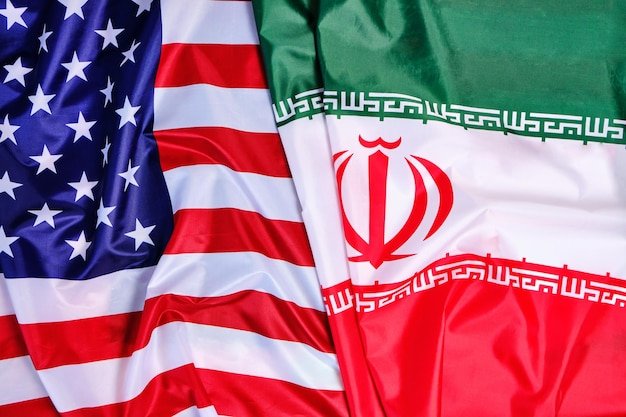
US x Iran permanent peace deal by...?
December 31
Order Book
December 31
Resolution Criteria
This market will resolve to “Yes” if Iran and the United states agree to a permanent peace deal by the specified date, 11:59 PM ET. Otherwise, this market will resolve to “No”. A permanent peace deal refers to any agreement which explicitly indicates that military hostilities between the United States and Iran have ended or will permanently cease, or uses equivalent language clearly signaling a lasting end to military hostilities between the United States and Iran. Agreements that are explicitly temporary or which do not include a definitive agreement to end military hostilities between the US and Iran on a lasting basis (e.g. a temporary extension of the two-week ceasefire agreement announced on April 7, 2026), will not qualify. A qualifying agreement will be considered to have been established if either of the following conditions are met: - The United States and Iran each sign or formally adopt a written agreement (e.g. a treaty or multi-point agreement) which meets the above criteria. - Both the governments of the United States and Iran provide clear public confirmation that a qualifying agreement has been definitively established. Negotiations, statements of progress, or other statements which do not constitute a definitive announcement that a qualifying agreement has been reached will not count. The primary resolution source for this market will be official information from the governments of the United States and Iran; however, a consensus of credible reporting may also be used.
Prediction market trading on whether the United States and Iran will reach a permanent peace deal shows volume heavily concentrated on outcomes in the second half of 2026, with the December 31 deadline outcome attracting the broadest backing. The market structure reflects deep uncertainty about timing, with a cluster of nearer-term dates — June and July 2026 — also drawing significant interest. Resolution requires an explicit, formally adopted agreement permanently ending military hostilities, not a temporary ceasefire or statement of progress.
Market structure
The market spans fifteen outcome dates running from May 2026 through December 31, 2026. Trading is broadly distributed across mid-year and year-end outcomes rather than concentrated on a single date. The heaviest-backed outcome is the December 31 deadline, with July 31 and June 30 also attracting substantial volume. Resolution requires a signed written agreement or clear public confirmation from both governments that a permanent deal has been definitively established. Credible press consensus may supplement official sources.
Background
US-Iran relations have been defined by decades of hostility since the 1979 Islamic Revolution, marked by the 1979-81 hostage crisis, proxy conflicts, sanctions regimes, and periodic nuclear negotiations. The 2015 Joint Comprehensive Plan of Action (JCPOA) represented the most significant diplomatic breakthrough in recent decades before the United States withdrew in 2018 under the Trump administration, reimposing sanctions. Renewed hostilities have included US strikes on Iranian-aligned forces, Iranian ballistic missile programmes, and proxy engagements across the Middle East. The resolution criteria reference a two-week ceasefire announced on 7 April 2026, indicating that some form of direct de-escalation communication was under way during that period, providing the immediate backdrop to this market.
Key factors
The distinction between a ceasefire and a permanent peace deal is the central structural variable. Historical precedent suggests that formal treaties ending military hostilities between adversarial states require sustained diplomatic channels, domestic political alignment on both sides, and often third-party mediation. In the US context, a treaty technically requires Senate ratification, though executive agreements have been used to circumvent that threshold — the resolution criteria do not specify the legal instrument, only that both governments formally adopt or sign it. On the Iranian side, any agreement would require alignment between the Supreme Leader's office, the presidency, and the Revolutionary Guard command. External factors — Israeli military posture, Gulf state interests, Congressional sentiment, and the status of nuclear negotiations — could accelerate or derail talks. The April 2026 ceasefire referenced in the resolution criteria suggests a potential negotiating window, but the criteria explicitly exclude temporary extensions of that arrangement. The calendar spread of outcomes reflects market sensitivity to whether any window closes before year-end.
FAQ
How is the US-Iran permanent peace deal market resolved?
The market resolves 'Yes' to the earliest date by which both governments have signed or formally adopted a written agreement — or both have publicly confirmed a permanent end to military hostilities. Temporary ceasefires, extensions of existing pauses, or statements of ongoing negotiations do not qualify. Official government sources are primary; credible press consensus may supplement.
When does the US-Iran permanent peace deal market resolve?
The overall market deadline is 31 December 2026 at 11:59 PM ET. Individual date outcomes resolve on their specified date if the qualifying agreement has been established by 11:59 PM ET on that date; otherwise they resolve 'No'. The December 31 outcome is the final fallback deadline.
What happens if a ceasefire is extended but no permanent deal is signed?
An extended or renewed ceasefire does not qualify. The resolution criteria explicitly exclude agreements described as temporary and cite the April 7, 2026 two-week ceasefire as an example of what would not count. Only an agreement using language that definitively and permanently ends military hostilities between the US and Iran would trigger a 'Yes' resolution.
What does the US-Iran peace deal market currently show?
Volume is broadly distributed across mid-2026 and year-end outcomes. The December 31 deadline is the heaviest-backed single outcome, reflecting uncertainty about whether a deal could be concluded earlier. June 30 and July 31 also carry substantial interest, suggesting a meaningful portion of traders see a potential summer 2026 window.
Paridesk is not a regulated financial advisor. The information above is for informational purposes only and does not constitute financial, investment, or trading advice. Prediction markets carry risk of total loss. Past patterns do not guarantee future outcomes.
Related Markets




December 31
79%