
Strait of Hormuz traffic returns to normal by end of May?
Strait of Hormuz traffic returns to normal by end of May?
Order Book
Strait of Hormuz traffic returns to normal by end of May?
Resolution Criteria
This market will resolve to “Yes” if IMF Portwatch publishes a 7-day moving average of transit calls (“Arrivals of Ships”) for the Strait of Hormuz equal to or above 60 for any date between market creation and May 31, 2026. Otherwise, this market will resolve to “No”. Daily transit calls include container, dry bulk, roll-on/roll-off, general cargo, and tanker ships. Ships not reported by IMF Portwatch will not be considered. This market will resolve as soon as IMF Portwatch publishes a 7-day moving average of transit calls equal to or above the specified level, or once data has been published for the final date in the specified period and no such value has been published. If no data has been published for the final date of the specified period within 14 calendar days (ET) after the end of that period, this market will resolve based on data published up to that point. Revisions to previously published data points made within this market’s timeframe will be considered. However, they will not disqualify a previously published data point from qualifying. Revisions to previously published data points after data is published for May 31, 2026, however, will not be considered. The resolution source for this market will be IMF Portwatch, specifically the transit calls data published for the Strait of Hormuz at https://portwatch.imf.org/pages/cb5856222a5b4105adc6ee7e880a1730, both in the chart and through downloadable files.
Prediction market trading heavily favours a 'No' resolution on whether Strait of Hormuz shipping traffic will return to normal by the end of May 2026, with the 'Yes' outcome drawing minimal backing. The market resolves 'Yes' only if IMF Portwatch records a 7-day moving average of transit calls at or above 60 for any single date up to 31 May 2026. Volume is overwhelmingly concentrated against a near-term recovery.
Market structure
This is a binary market with a single tracked outcome — whether the 'Yes' threshold is met. Resolution is highly specific: IMF Portwatch must publish a 7-day moving average of Strait of Hormuz transit calls at or above 60 at any point before the 31 May 2026 deadline. Market sentiment is heavily concentrated on the 'No' side, with the 'Yes' outcome receiving negligible backing. Resolution can occur early if the threshold is crossed.
Background
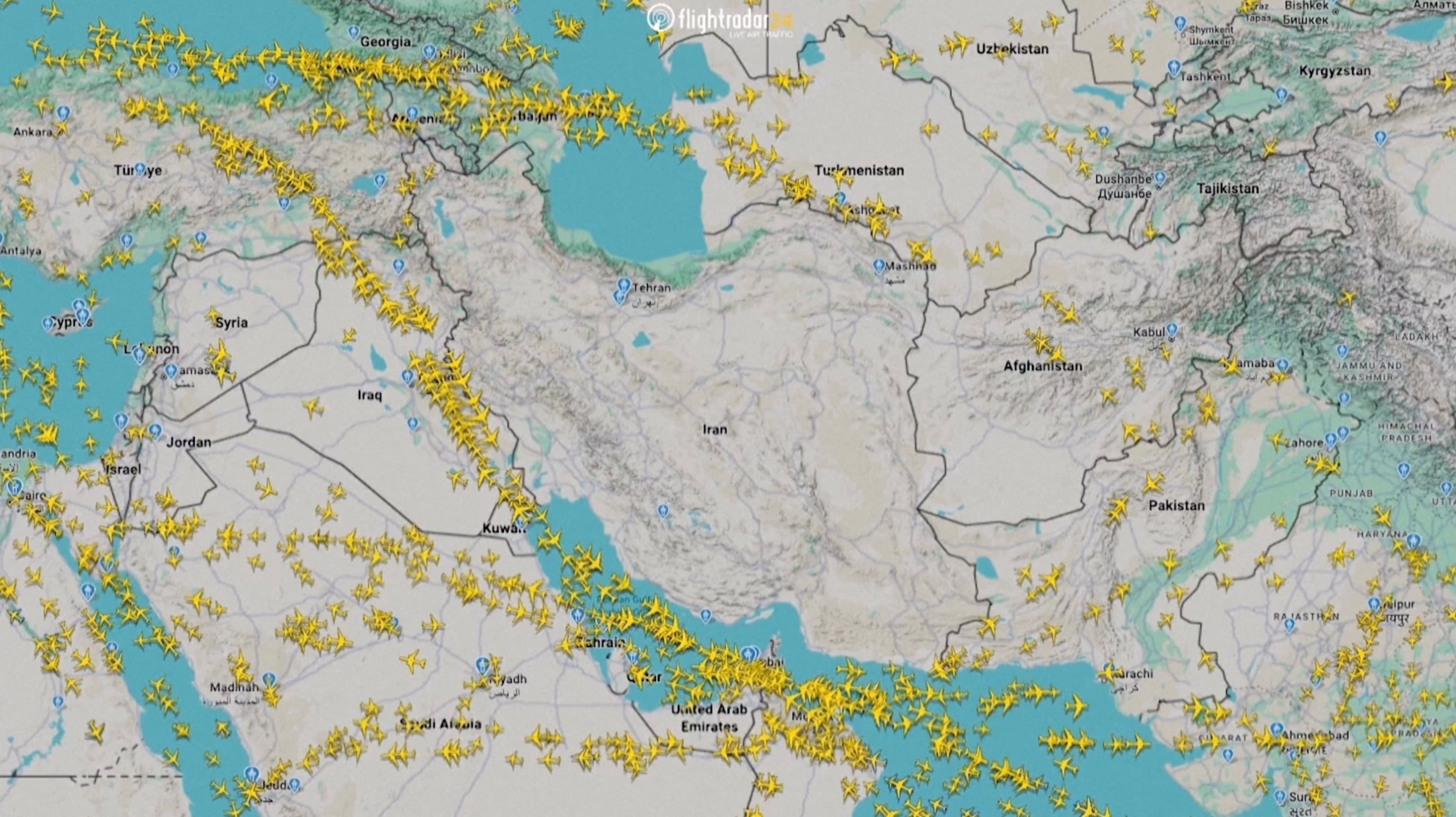
The Strait of Hormuz is one of the world's most critical maritime chokepoints, carrying a substantial share of global seaborne oil and liquefied natural gas exports, primarily from Gulf producers. Shipping activity through the strait has been disrupted in recent years by regional tensions, including Iran's periodic threats to close the waterway and heightened naval incidents in the broader Gulf region. IMF Portwatch tracks daily transit calls across major global chokepoints, providing near-real-time data used by analysts and policymakers to assess trade flow disruptions. A sustained 7-day moving average below 60 transit calls signals a meaningful and prolonged reduction in commercial shipping activity compared to historical norms, reflecting either deliberate diversion of vessels, force majeure closures, or shipper risk aversion driven by security conditions.
Key factors
Several structural factors bear on whether Strait of Hormuz traffic recovers to the specified threshold before the deadline. Diplomatic developments between Iran and Western or Gulf nations could reduce navigational risk perception and encourage vessels to resume normal routing. Conversely, an escalation in regional hostilities — including missile strikes, naval confrontations, or sanctions enforcement actions — would likely sustain or deepen the traffic deficit. Insurance and war-risk premium levels play a significant role: elevated premiums incentivise shippers to reroute via the Cape of Good Hope or other alternatives regardless of formal security conditions. The pace at which major commodity buyers — particularly Asian importers of Gulf crude — signal willingness to accept delivery via the strait also influences operator decisions. IMF Portwatch data revisions within the market's timeframe are admissible, meaning a revised upward data point could theoretically trigger early 'Yes' resolution. The 14-day grace period for data publication after 31 May provides a defined fallback window if Portwatch data is delayed.
FAQ
How is the Strait of Hormuz traffic market resolved?
The market resolves 'Yes' if IMF Portwatch publishes a 7-day moving average of transit calls for the Strait of Hormuz equal to or above 60 for any date up to 31 May 2026. If that threshold is never reached within the window, it resolves 'No'. Only data published by IMF Portwatch at the specified Portwatch URL counts.
When does the Strait of Hormuz traffic market resolve?
The market resolves as soon as the 7-day moving average threshold of 60 transit calls is met, or upon publication of data covering 31 May 2026. If Portwatch data for that final date has not been published within 14 calendar days after 31 May 2026, resolution occurs based on data available at that point.
What happens if IMF Portwatch revises its data after the market closes?
Revisions published before data for 31 May 2026 is released are admissible and could affect resolution. However, revisions made after data for 31 May 2026 is published will not be considered. A data point that previously triggered 'Yes' resolution cannot be retroactively disqualified by a later downward revision.
What does the Strait of Hormuz traffic market currently show?
Market volume is heavily concentrated on the 'No' outcome, with the 'Yes' position — that traffic returns to a 7-day moving average of 60 or above before 31 May 2026 — drawing negligible backing. The current distribution reflects broad market scepticism about a near-term shipping recovery through the strait.
Paridesk is not a regulated financial advisor. The information above is for informational purposes only and does not constitute financial, investment, or trading advice. Prediction markets carry risk of total loss. Past patterns do not guarantee future outcomes.
Related Markets






Strait of Hormuz traffic returns to normal by end of May?
1%