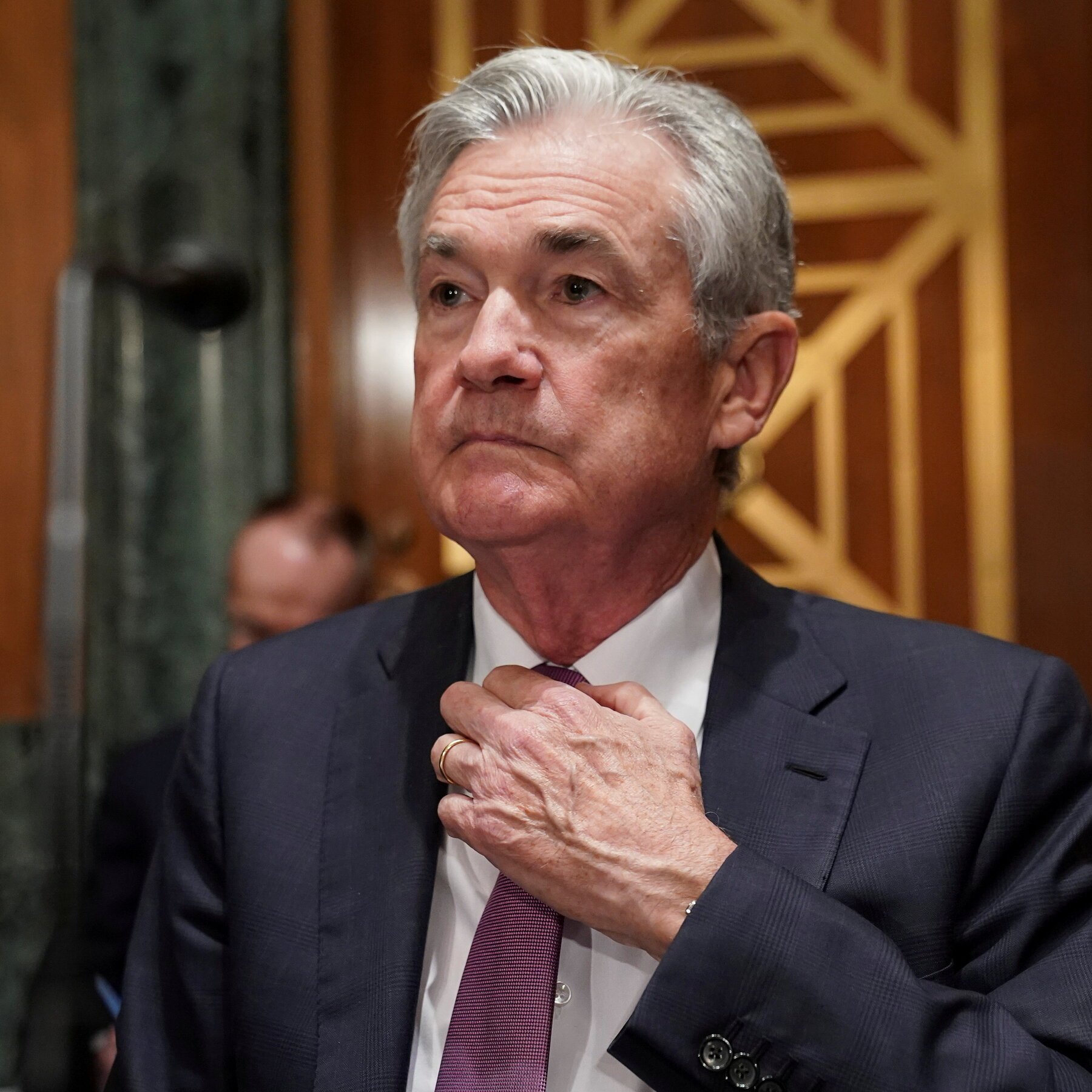
Fed rate cut by...?
July 2027 Meeting
Order Book
July 2027 Meeting
Resolution Criteria
This market will resolve to “Yes” if the upper bound of the target federal funds rate is decreased at any point between December 16, 2025 and the completion of the Federal Open Market Committee (FOMC) meeting for January 2026, currently scheduled for January 27-28. Otherwise, this market will resolve to “No”. If no January meeting takes place by February 7, 2026, 11:59 PM ET, and no qualifying rate cut has been announced, this market will resolve to "No". Emergency rate cuts will qualify. The primary resolution source for this market will be the official website of the Federal Reserve (https://www.federalreserve.gov/monetarypolicy/openmarket.htm), however a consensus of credible reporting may also be used.
The Federal Reserve rate cut prediction market is currently most heavily concentrated on a December 2026 meeting resolution, with October and September also drawing substantial volume. The market covers whether the Fed will cut its target federal funds rate upper bound at any FOMC meeting from December 2025 through the window specified, with official Federal Reserve announcements serving as the resolution source.
Market structure
The market spans eight possible outcomes corresponding to different FOMC meeting windows, from a near-term December 2025–January 2026 window through meetings later in 2026. Volume is broadly distributed across several outcomes, with the heaviest concentration on a December 2026 resolution, followed by October and September. Resolution relies on the official Federal Reserve open market operations page, with credible media consensus as a fallback. Emergency cuts qualify.
Background
The Federal Reserve has held its benchmark federal funds rate at elevated levels following an aggressive tightening cycle that began in 2022 to combat post-pandemic inflation. After cutting rates in late 2024, the Fed signalled a more cautious approach to further easing entering 2025, citing persistent inflation and a resilient labour market. Markets have been closely watching each FOMC meeting for signals about the pace and timing of any additional cuts. The timing of Fed easing has significant implications for mortgage rates, corporate borrowing costs, equity valuations, and the broader macroeconomic outlook, making Fed rate decisions among the most closely tracked events in global finance.
Key factors
Several structural forces bear on when the Fed might next reduce rates. Inflation data — particularly CPI and PCE readings relative to the Fed's 2% target — directly influences the FOMC's stated conditions for easing. Labour market strength, as measured by non-farm payrolls and unemployment, factors into the Fed's dual mandate assessment. GDP growth trajectory and any signs of economic slowdown could accelerate or delay cuts. External shocks, including geopolitical developments or financial market stress, could trigger emergency action outside scheduled meetings. Fed Chair communications, including post-meeting press conferences and congressional testimony, shape market interpretation of the committee's reaction function. Changes in committee composition, including any new appointments, could also shift the median policy preference. The resolution window is specific: a cut must occur between 16 December 2025 and the conclusion of the January 2026 FOMC meeting to resolve this market 'Yes' for the earliest outcome.
FAQ
How is the Fed rate cut timing market resolved?
The market resolves based on when the Federal Reserve officially decreases the upper bound of its target federal funds rate. The primary source is the Federal Reserve's open market operations page, with a consensus of credible reporting as a fallback. Emergency cuts are included.
When does the Fed rate cut market resolve?
Each outcome resolves once the corresponding FOMC meeting concludes and a rate decision is confirmed. The earliest window covers 16 December 2025 through the end of the January 2026 meeting, scheduled for 27–28 January. The overall market deadline is 17 June 2026.
What happens if the January 2026 FOMC meeting is delayed or cancelled?
If no January FOMC meeting takes place by 11:59 PM ET on 7 February 2026 and no qualifying rate cut has been announced, the December 2025–January 2026 outcome resolves 'No'. The fallback deadline provides a defined contingency for scheduling disruptions.
What does the Fed rate cut timing market currently show?
Volume is most heavily concentrated on a December 2026 resolution, making it the heaviest-backed single outcome. October and September 2026 meetings are the next most backed outcomes. The near-term December 2025–January 2026 and July windows are the least backed.
Paridesk is not a regulated financial advisor. The information above is for informational purposes only and does not constitute financial, investment, or trading advice. Prediction markets carry risk of total loss. Past patterns do not guarantee future outcomes.
Related Markets



July 2027 Meeting
49%